When you are clearing a parent’s home or getting ready to downsize, the first instinct is often to rent a bin and start filling it. That can be a costly mistake. Some of the things families throw away are exactly what estate sale shoppers come looking for. Here is what to hold on to, what is usually safe to toss, and how to sort before an estate sale in Collingwood, Wasaga Beach and the Blue Mountains.
The short answer
Before an estate sale, don’t throw out anything you’re unsure about. Let the estate sale company see it first.
Things that look like junk to a family can sell, sometimes well. Old tools, kitchenware, linens, records, costume jewellery and even half-used craft supplies often find buyers. It’s much easier to toss something after the sale than to get it back out of a bin.
Things families often throw out by mistake
Old kitchenware
Cast iron pans, vintage Pyrex, enamelware, old mixing bowls, canning jars and older small appliances often sell. Even a cupboard full of mismatched dishes and utensils can attract buyers looking for practical things.
Tools and the workshop
Hand tools, power tools, hardware, fishing gear and garden tools usually draw a crowd. Don’t sort through the workshop and toss rusty-looking tools, coffee cans of screws or old fishing tackle. Let the estate sale team decide.
Costume jewellery and small accessories
Boxes of brooches, clip-on earrings, old watches, cufflinks and beaded necklaces can add up. Some pieces turn out to be more valuable than they look. Keep the whole box together.
Linens, sewing and craft supplies
Quilts, tablecloths, embroidered linens, yarn, fabric, buttons and sewing notions often sell. Crafters look for these specifically.
Records, books and paper
Vinyl records, older books, postcards, maps, old magazines, advertising pieces and local history items can have collectors. Don’t recycle the bookshelf before someone looks through it.
Holiday decorations
Vintage Christmas ornaments, lights and decorations from the 1950s to 1970s are popular with some buyers. Keep them in their original boxes if you have them.
Furniture that seems dated
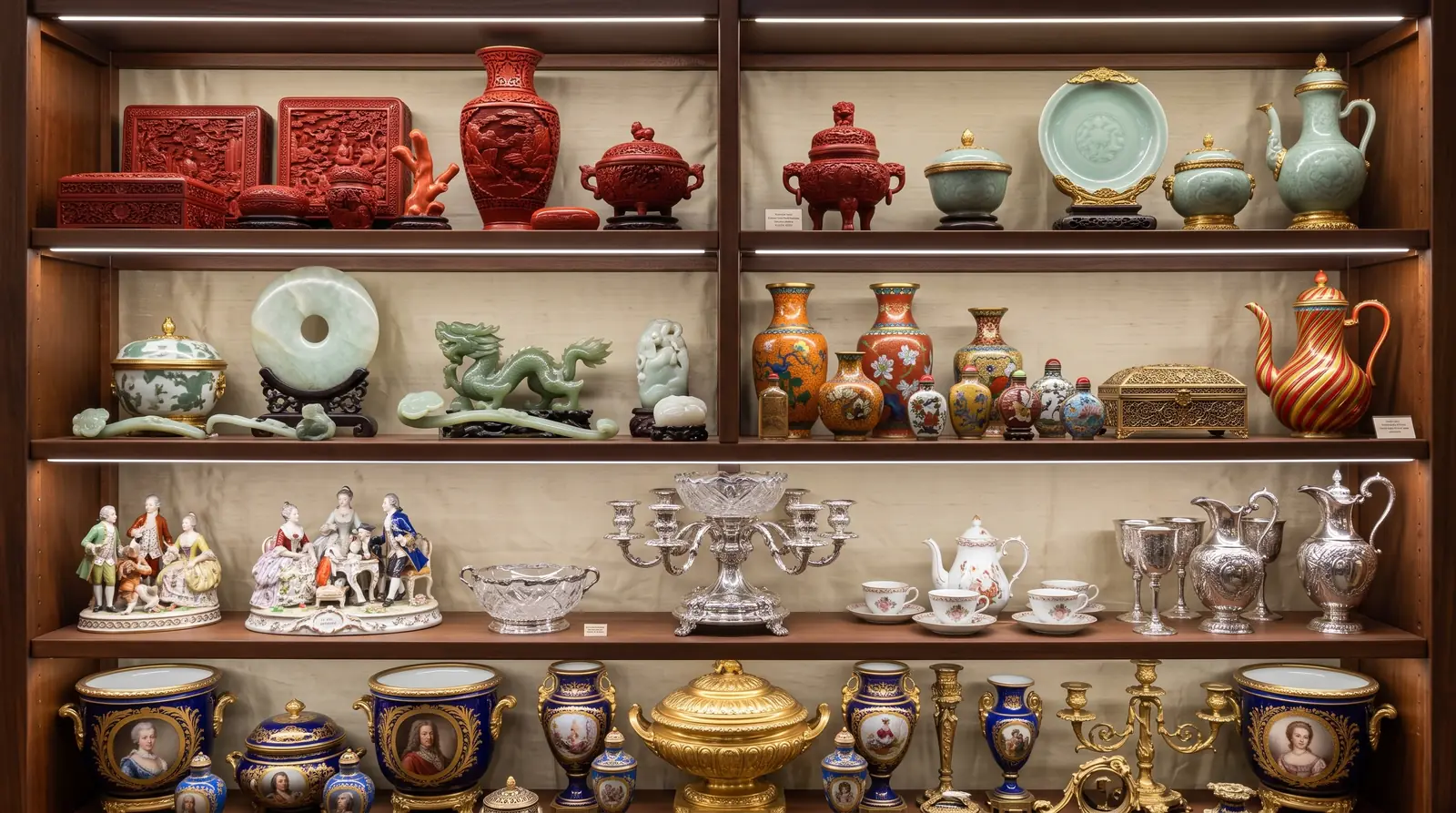
Older solid wood furniture, mid-century pieces and even plain dressers and tables often sell. “Dated” doesn’t mean worthless. Antiques and collectibles is where an estate sale company can help identify what’s worth researching.
What you should keep aside, not sell or toss
Some things should never go in the sale or the bin until the family and, if there’s a will, the executor have dealt with them:
- Wills, legal papers, deeds and financial records
- Tax records, bank statements and insurance policies
- Passports, IDs and documents with personal information. Shred these when they’re no longer needed. Don’t put them in recycling.
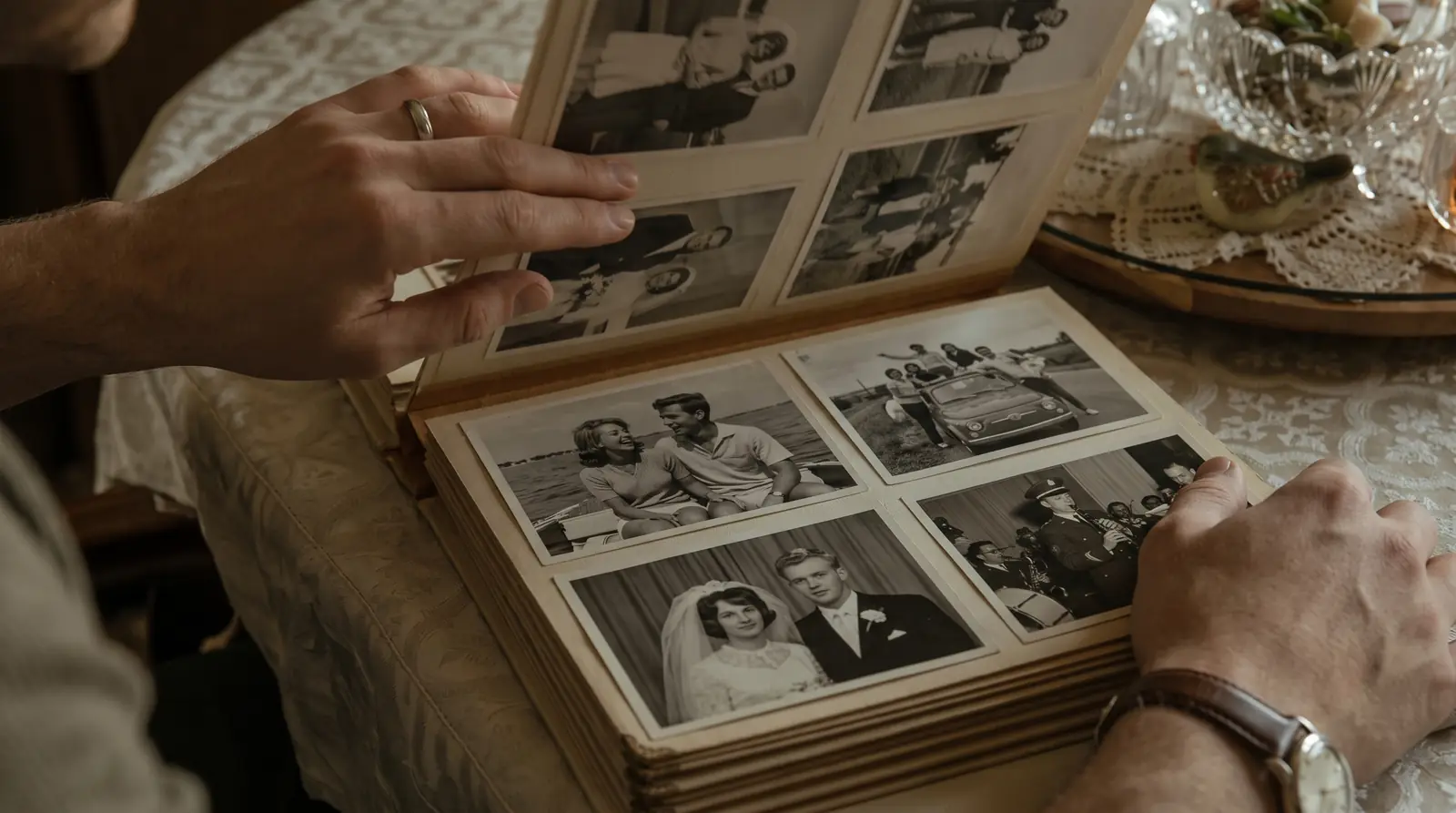
- Photos, letters and family papers. Many families scan or share these before deciding what to keep.
- Items named in a will as gifts to specific people
- Keys, cash, gift cards and jewellery that may be hidden in drawers, books, pockets and boxes
Go through pockets, purses, books and drawers carefully. Families often find cash, jewellery and important papers tucked away. The executor’s guide to clearing a house covers this step in more detail.
What is usually safe to toss
Some things really don’t sell, and clearing them out first can make the sale easier:
- Open food, spices, cleaning products and toiletries
- Expired medications (take these to a pharmacy for safe disposal, don’t put them in the garbage)
- Broken items with no parts value
- Stained or damaged mattresses and pillows
- Old paint, chemicals and propane cylinders (take these to the household hazardous waste depot)
- Personal papers after they’ve been reviewed and shredded
When in doubt, ask. Most estate sale companies would rather tell you something is worth keeping than see it go to the dump.
How to sort without overdoing it
You don’t have to organize the whole house before an estate sale company comes in. In fact, too much sorting can work against you.
- Pull out what the family is keeping. Put it in one room, or label it clearly.
- Remove personal papers and valuables to a safe place.
- Toss only the obvious garbage, like open food and clearly broken items.
- Leave everything else where it is. The estate sale team will sort, research, price and stage it.
Staging works best when items are shown in the rooms they belong in, so don’t box up everything.
How estate sale companies are paid
Estate sale companies are usually paid on commission. Typical commissions are 30%–40% of gross sales, with lower percentages for larger estates. Many companies set a minimum estate value, often $5,000–$10,000. Those are typical ranges, not quotes.
That’s another reason not to throw things away: the more that sells, the more the estate receives. See estate sales for how the process works, and how an estate sale works for a full walkthrough.
After the sale
Not everything will sell. After the sale, you’ll usually have a few options for what’s left:
- Take back anything the family has changed its mind about
- Donate usable items to local charities
- Have the rest removed and the house cleared
Estate clean-outs handle what’s left so the house is ready to list, rent or hand over.
Fall and winter timing
Fall is a popular time for estate sales, and many families also want the house cleared before winter, when cottages and older homes are harder to keep heated and visited. If the home is a seasonal property, think about whether the sale needs to happen before the water is shut off and the place is closed up. Spring is the other busy season, with good crowds once the weather warms up.
Local things worth knowing
- Collingwood: older homes in and around town often have attics, basements and workshops packed with decades of belongings. Leave the sorting to the estate sale team before anything goes in a bin. See the Collingwood area page.
- The Blue Mountains: chalets and cottages may hold ski gear, outdoor equipment and cottage furniture that buyers look for. See the Blue Mountains area page.
- Wasaga Beach: homes range from year-round houses to converted cottages, and either can hold decades of belongings, including beach and cottage items that sell well in season. See the Wasaga Beach area page.
Quick answers
Should I clean out the house before an estate sale?
Only lightly. Remove what the family is keeping, personal papers and valuables, and obvious garbage. Leave everything else in place for the estate sale company to sort, price and stage.
What sells best at estate sales?
It varies, but tools, kitchenware, furniture, jewellery, collectibles, vintage items and outdoor gear often sell well. Items that seem ordinary to the family can attract buyers.
What happens to items that don’t sell at an estate sale?
Families can take them back, donate them or have them removed. Many estate sale companies can arrange a clean-out after the sale.
 Full-service estate sales
 Antiques & collectibles
 Clear-outs after the sale